
Coenzyme
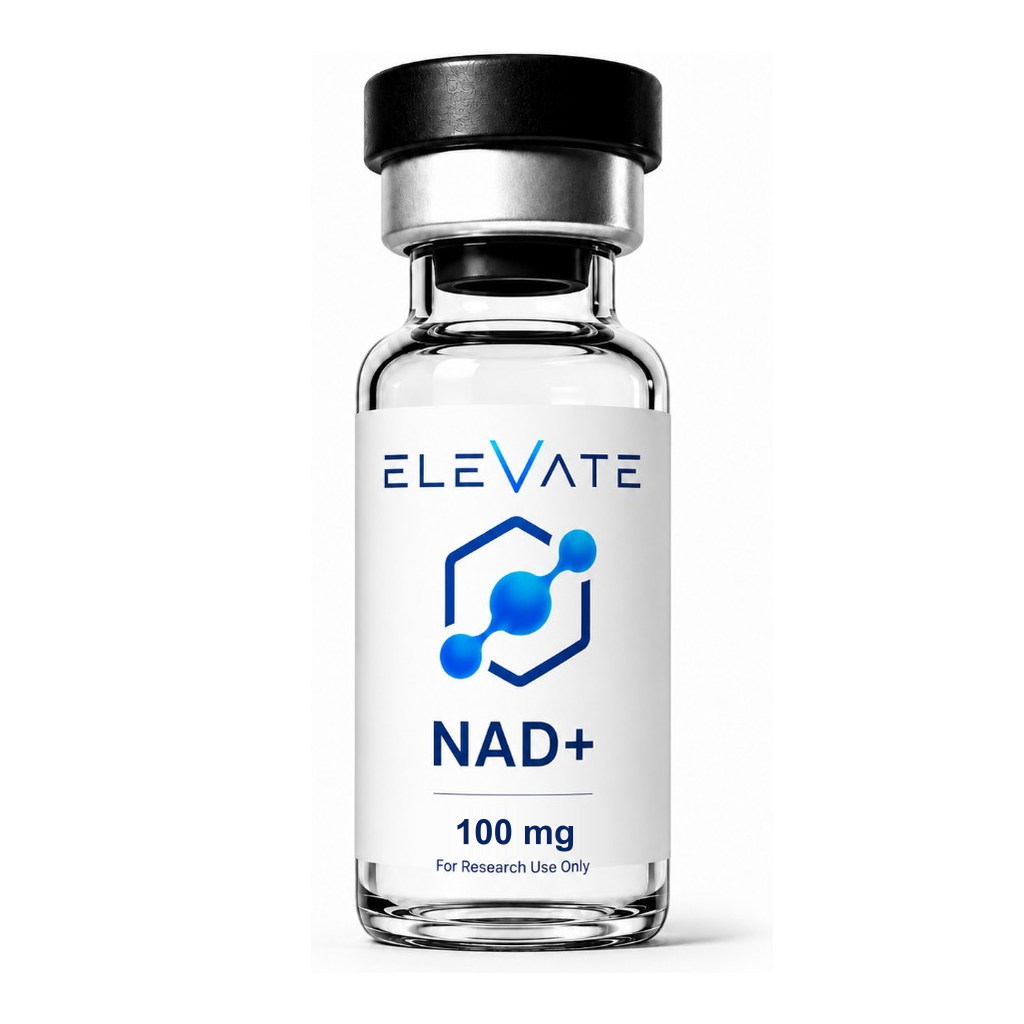
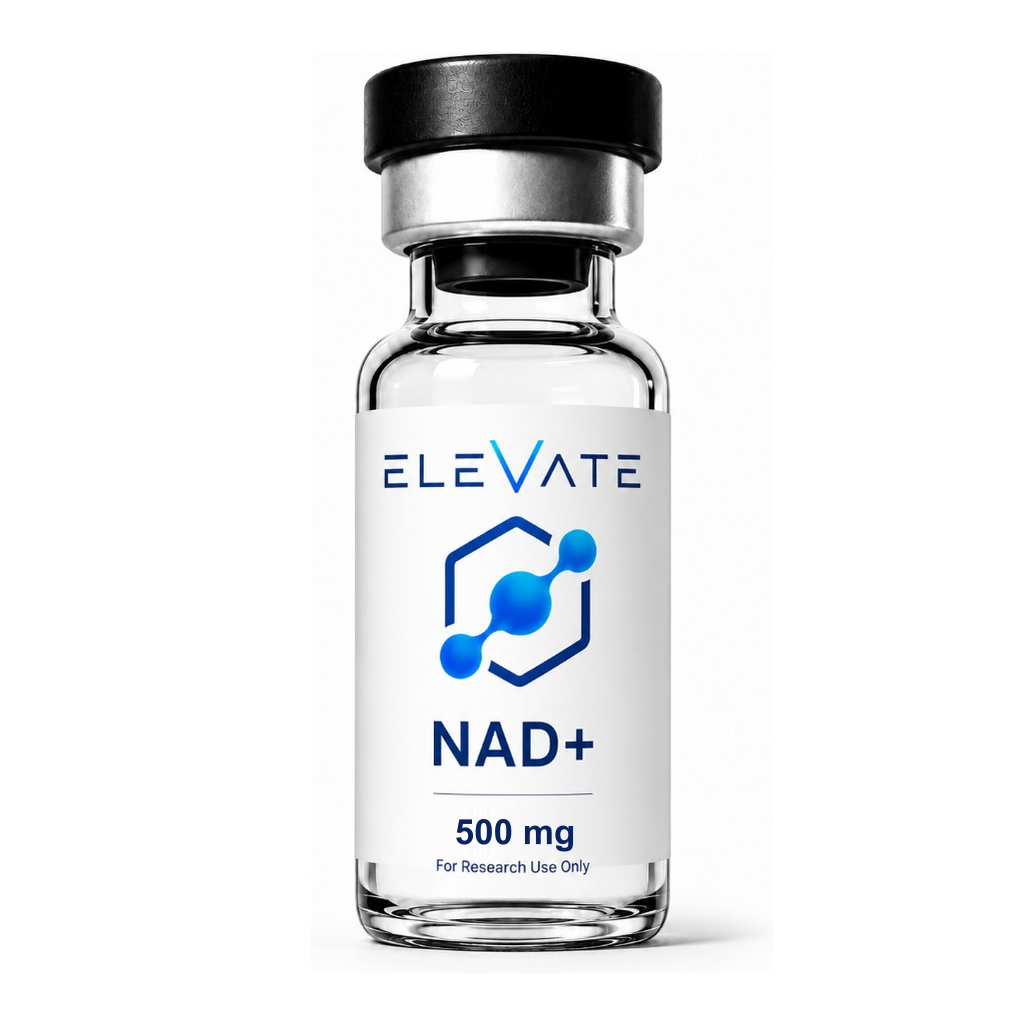
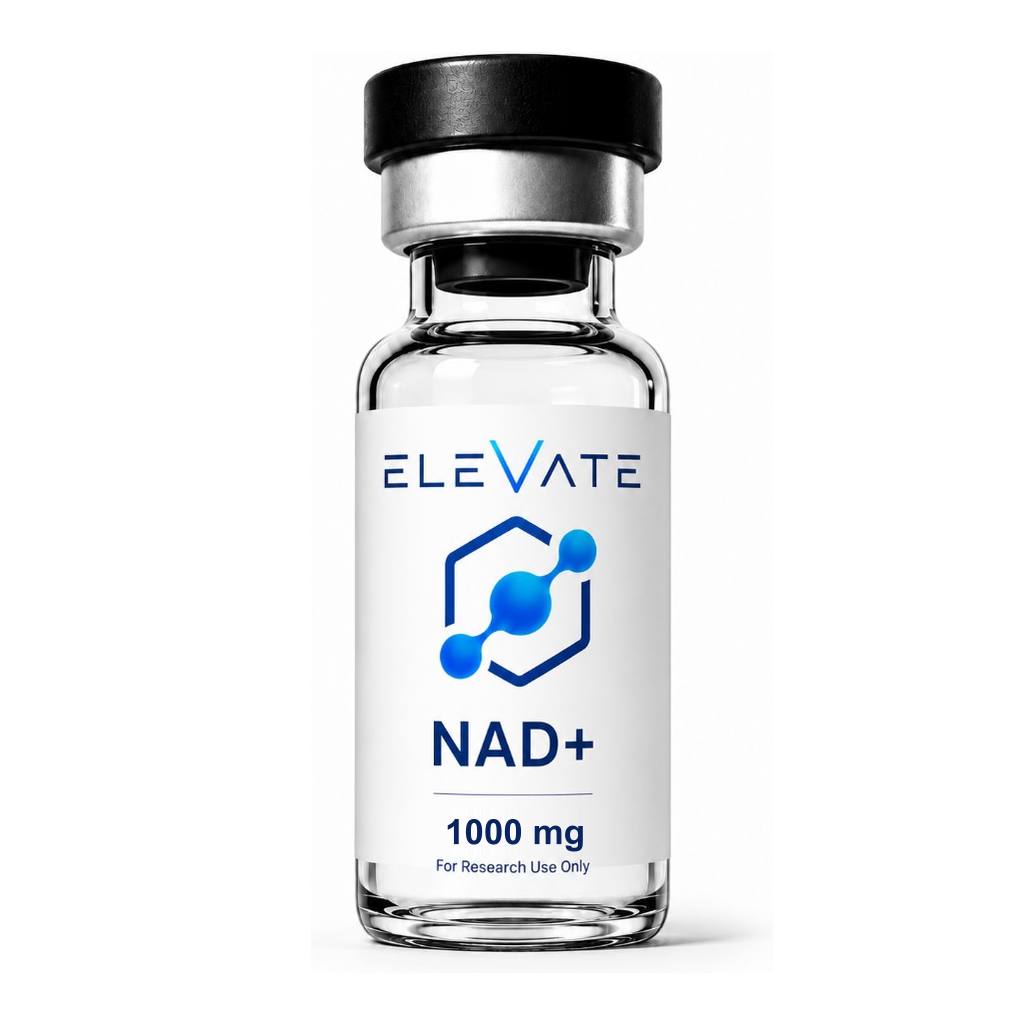
NAD+
SKU NAD
Cellular cofactor studied in laboratory models involving energy metabolism, redox activity and enzyme function.
Vial size
$59.99
90 in stock
Elevate Precision Health sells products strictly for laboratory research. Nothing on this site is offered for human or animal use, diagnosis, treatment, or consumption. These products are sold and intended solely as laboratory research materials. They are not offered, labeled, or intended for use as human or veterinary drugs, foods, cosmetics, or dietary supplements. These products are not approved by the FDA for human or veterinary use. Only qualified researchers and institutions acting within applicable law should purchase or handle these products.
Research interest
Why researchers are interested
Brief notes on why NAD+ appears in laboratory study designs. Research use only — not for human or veterinary use.
- Researchers are studying NAD+ as a cofactor in cellular energy and redox pathways.
- Common research areas include dehydrogenase assays and NAD+-dependent enzyme systems.
- Of interest in studies involving defined NAD+/NADH pools in metabolic flux work.
What is NAD+ in research?
NAD+ (nicotinamide adenine dinucleotide, oxidized form) is a ubiquitous redox cofactor central to cellular energy metabolism. In the laboratory it is used as a stoichiometric or catalytic reagent for dehydrogenase assays, sirtuin and PARP enzyme systems, and metabolic flux experiments that require a defined NAD+/NADH pool.
Canonical references are CAS 53-84-9 and PubChem CID 5892 (formula C21H26N7O14P2). This product is for research bench use only. Protect dry stocks from moisture; hydrolysis products confound many enzyme-rate calculations.
Typical laboratory applications
Protocols span spectrophotometric or fluorometric NAD+/NADH cycling assays, enzyme kinetics for NAD+-dependent oxidoreductases, and reconstitution of lyophilized cofactor stocks into aqueous buffers. Researchers often pair NAD+ work with controlled cold storage and light protection because the dinucleotide is sensitive to hydrolysis and photoreduction under poor handling conditions.
Prepare fresh working dilutions when possible; aged NAD+ solutions can accumulate hydrolysis products that shift blank baselines in plate-based assays.
Specifications
What is NAD+ (Nicotinamide adenine dinucleotide (oxidized form))?
Cellular cofactor studied in laboratory models involving energy metabolism, redox activity and enzyme function. In laboratory settings it is referenced for cellular redox, energy metabolism, and NAD+-dependent enzyme assays in vitro. Research use only — not for human or veterinary use.
How is NAD+ supplied and stored?
NAD+ is supplied as lyophilized powder (white to yellowish powder). Store lyophilized powder at −20°C. Protect from light and moisture. Keep tightly sealed until use. After preparing a laboratory stock solution, store at 2–8°C.
Specs last updated:
What laboratory reference attributes are listed for NAD+?
The table below lists form, research application, appearance, storage, molecular formula, molecular weight, and aliases for NAD+ as laboratory reference data for qualified research protocols.
- Lot purity
- 99.89%
- Third-party lab
- North South Precision Testing
- Form
- Lyophilized powder
- Research application
- Cellular redox, energy metabolism, and NAD+-dependent enzyme assays in vitro.
- Molecular formula
- C21H26N7O14P2
- Molecular weight
- 663.43 g/mol
- Appearance
- White to yellowish powder
- Recommended storage
- Store lyophilized powder at −20°C. Protect from light and moisture. Keep tightly sealed until use. After preparing a laboratory stock solution, store at 2–8°C.
- Also known as
- Nicotinamide adenine dinucleotide (oxidized form)
Related research materials
Peptide
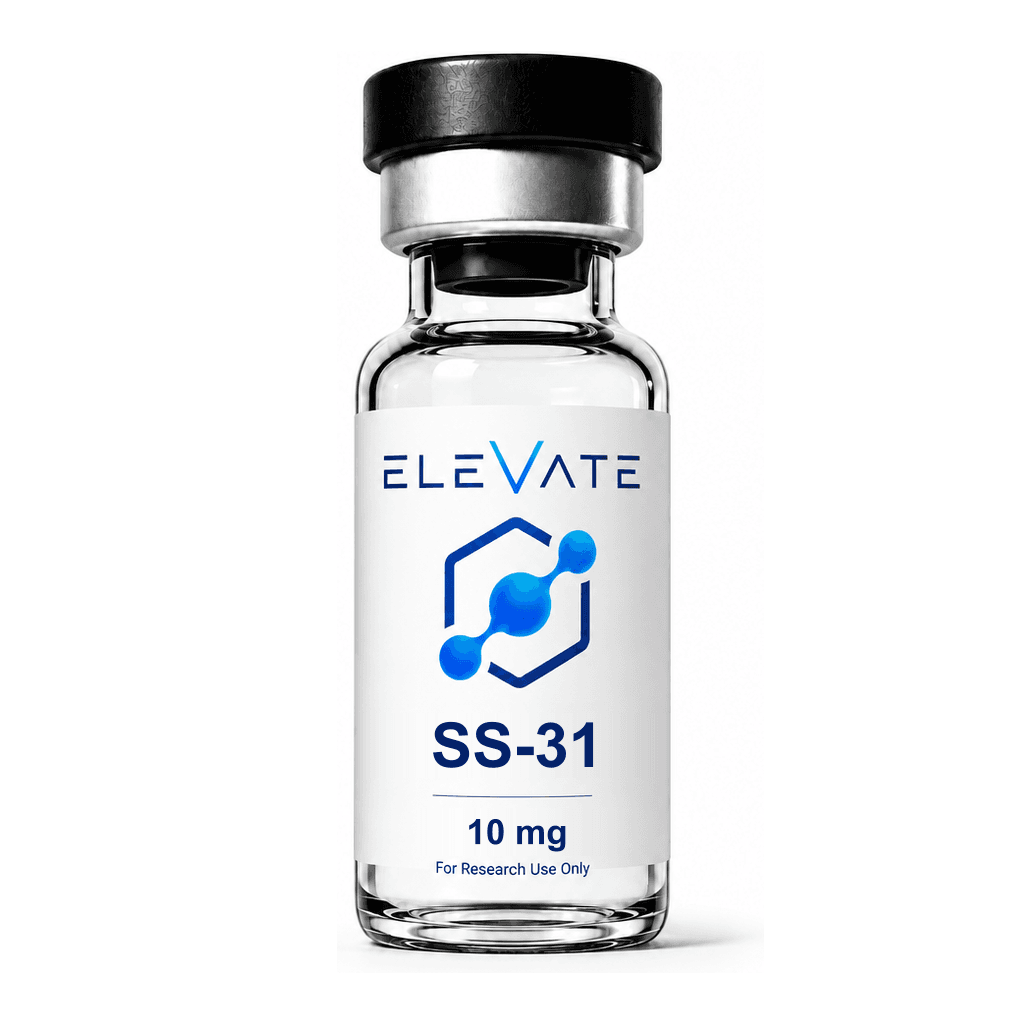
SS-31 (Elamipretide)Mitochondria-targeted tetrapeptide for inner-membrane assays
View details →$54.99
Research documentation
- Research use only
Intended-use framing for laboratory purchasers
- Certificates of analysis
Lot identity and purity documentation
- Stock preparation and storage
Laboratory stock and cold-chain guidance