
Peptide
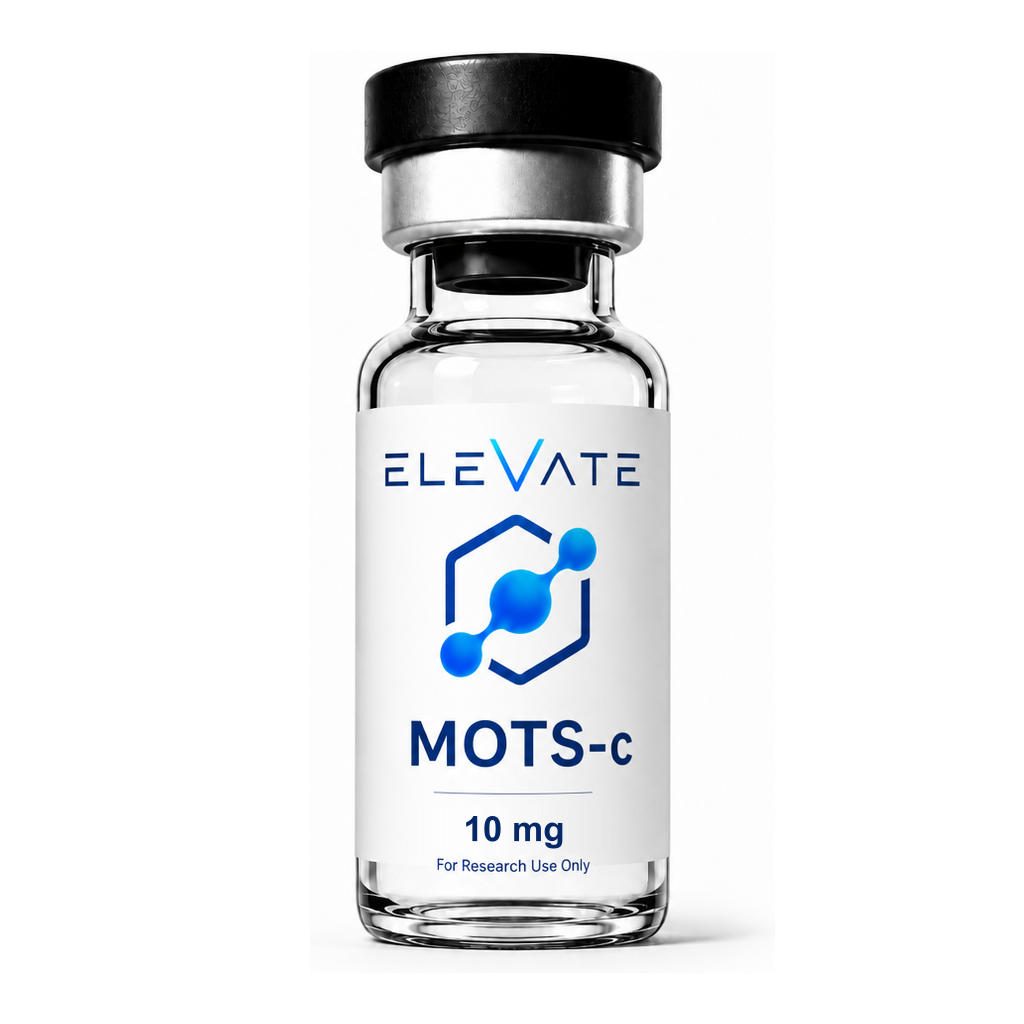
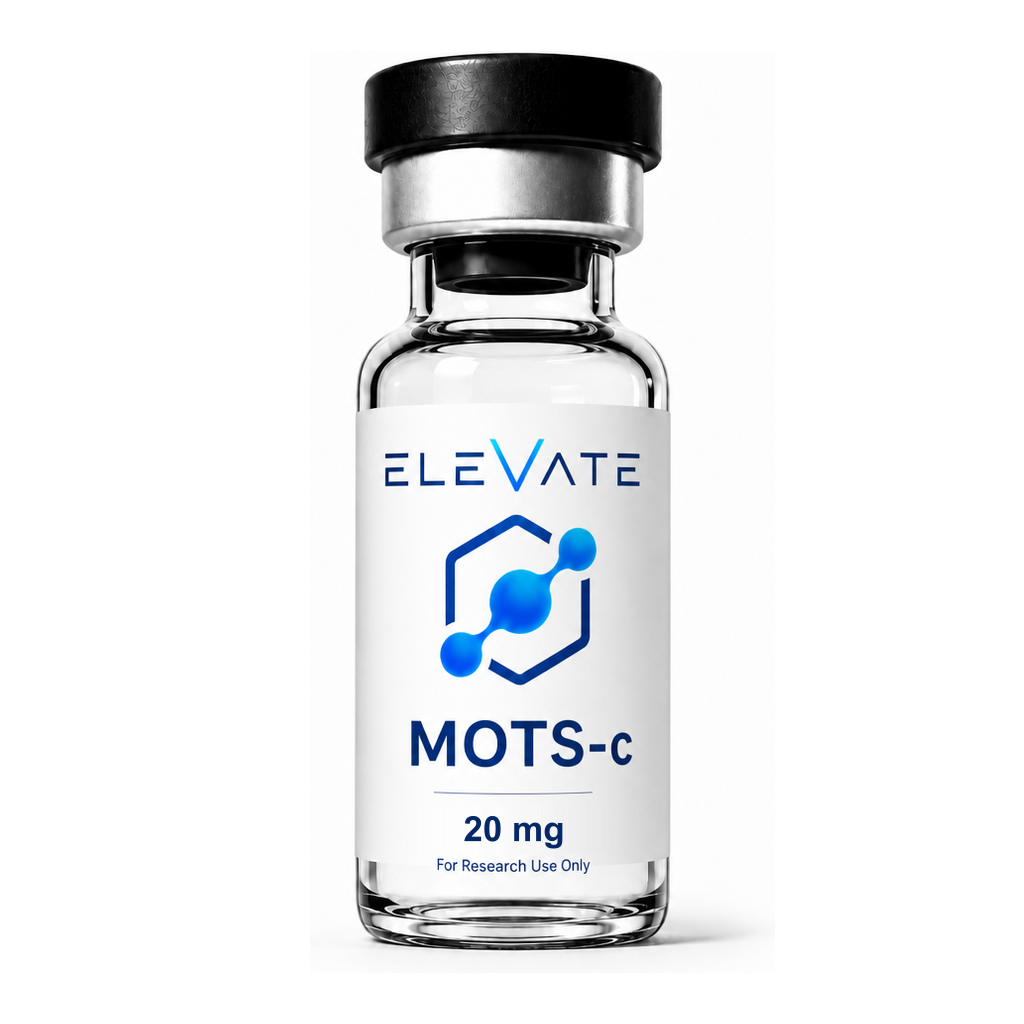
MOTS-c
SKU MOTS
Mitochondrial-derived peptide studied for its role in cellular energy signaling and metabolic stress pathways.
Vial size
$54.99
20 in stock
Elevate Precision Health sells products strictly for laboratory research. Nothing on this site is offered for human or animal use, diagnosis, treatment, or consumption. These products are sold and intended solely as laboratory research materials. They are not offered, labeled, or intended for use as human or veterinary drugs, foods, cosmetics, or dietary supplements. These products are not approved by the FDA for human or veterinary use. Only qualified researchers and institutions acting within applicable law should purchase or handle these products.
Research interest
Why researchers are interested
Brief notes on why MOTS-c appears in laboratory study designs. Research use only — not for human or veterinary use.
- Researchers are studying MOTS-c for mitochondrial signaling and metabolic stress pathways.
- Common research areas include cellular energy markers and stress-response assays.
- Of interest in studies involving mitochondrial-derived peptide identity and handling.
What is MOTS-c in research?
MOTS-c (mitochondrial open reading frame of the 12S rRNA type-c) is a 16-amino-acid peptide encoded in the mitochondrial genome (sequence MRWQEMGYIFYPRK). It is studied as a mitochondrial-derived peptide (MDP) that can enter nuclear and cytoplasmic pathways involved in metabolic stress responses in cellular laboratory models.
Reference records include PubChem CID 146675088 and the molecular formula C101H152N28O22S2. Elevate Precision Health supplies MOTS-c strictly for research use. Link each aliquot to its lot so oxidation or purity shifts can be traced later.
Typical laboratory applications
Bench protocols often examine AMPK-related pathway markers, mitochondrial respiration or glycolytic flux readouts, and cellular stress assays after controlled peptide exposure. MOTS-c is also used in peptide identity and purity method development (HPLC/LC-MS) because mitochondrial peptides can present distinct solubility and oxidation behaviors versus many nuclear-encoded sequences.
Protect aliquots from repeated freeze–thaw cycles; methionine- and aromatic-rich mitochondrial peptides can oxidize under careless bench handling.
References
Specifications
What is MOTS-c (Mitochondrial open reading frame of the 12S rRNA type-c)?
Mitochondrial-derived peptide studied for its role in cellular energy signaling and metabolic stress pathways. In laboratory settings it is referenced for mitochondrial-encoded peptide studies of metabolic and cellular stress pathways in vitro. Research use only — not for human or veterinary use.
How is MOTS-c supplied and stored?
MOTS-c is supplied as lyophilized powder (white to off-white powder). Store lyophilized powder at −20°C. Protect from light and moisture. Keep tightly sealed until use. After preparing a laboratory stock solution, store at 2–8°C.
Specs last updated:
What laboratory reference attributes are listed for MOTS-c?
The table below lists form, research application, appearance, storage, molecular formula, molecular weight, sequence, and aliases for MOTS-c as laboratory reference data for qualified research protocols.
- Lot purity
- 99.69%
- Third-party lab
- North South Precision Testing
- Form
- Lyophilized powder
- Research application
- Mitochondrial-encoded peptide studies of metabolic and cellular stress pathways in vitro.
- Molecular formula
- C101H152N28O22S2
- Molecular weight
- 2174.6 g/mol
- Sequence
- MRWQEMGYIFYPRK
- Appearance
- White to off-white powder
- Recommended storage
- Store lyophilized powder at −20°C. Protect from light and moisture. Keep tightly sealed until use. After preparing a laboratory stock solution, store at 2–8°C.
- Also known as
- Mitochondrial open reading frame of the 12S rRNA type-c
Related research materials
Peptide
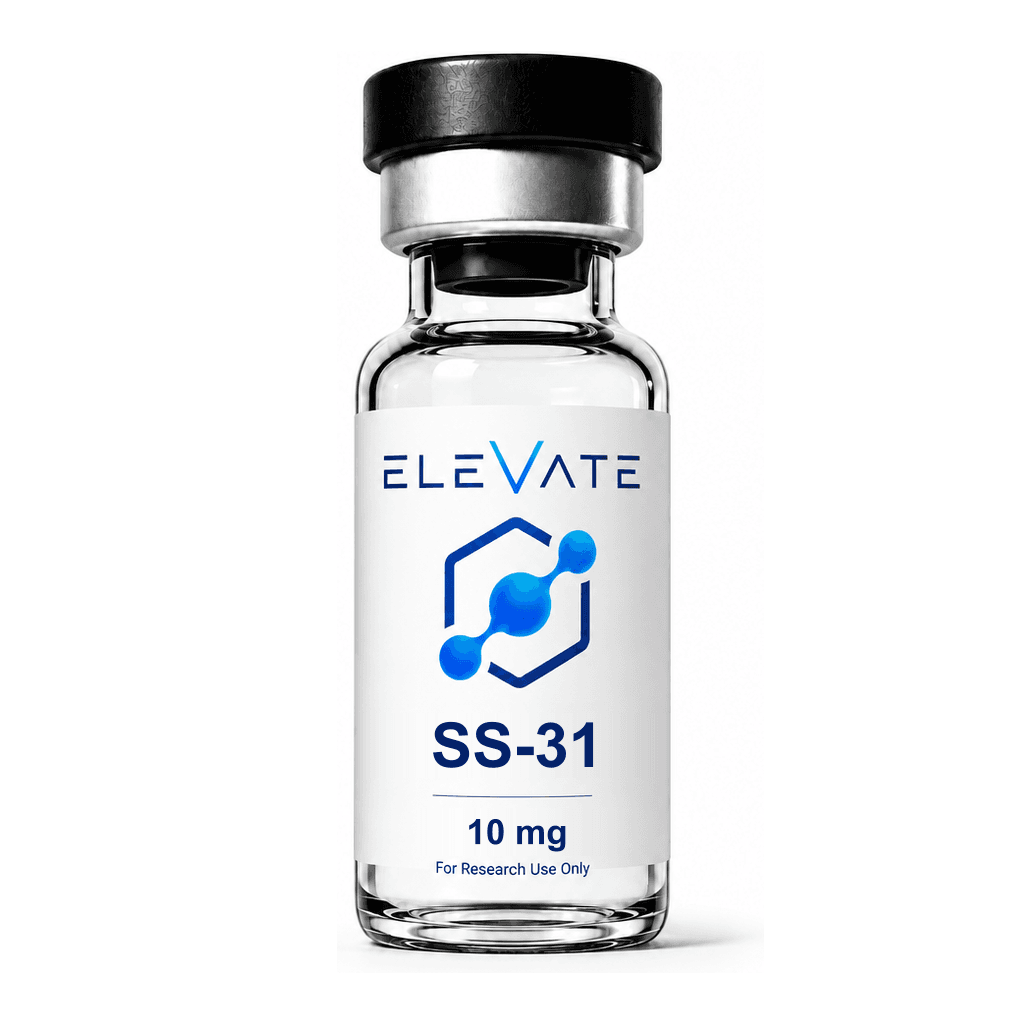
SS-31 (Elamipretide)Mitochondria-targeted tetrapeptide for membrane-pathway panels
View details →$54.99
Research documentation
- Research use only
Intended-use framing for laboratory purchasers
- Certificates of analysis
Lot identity and purity documentation
- Stock preparation and storage
Laboratory stock and cold-chain guidance